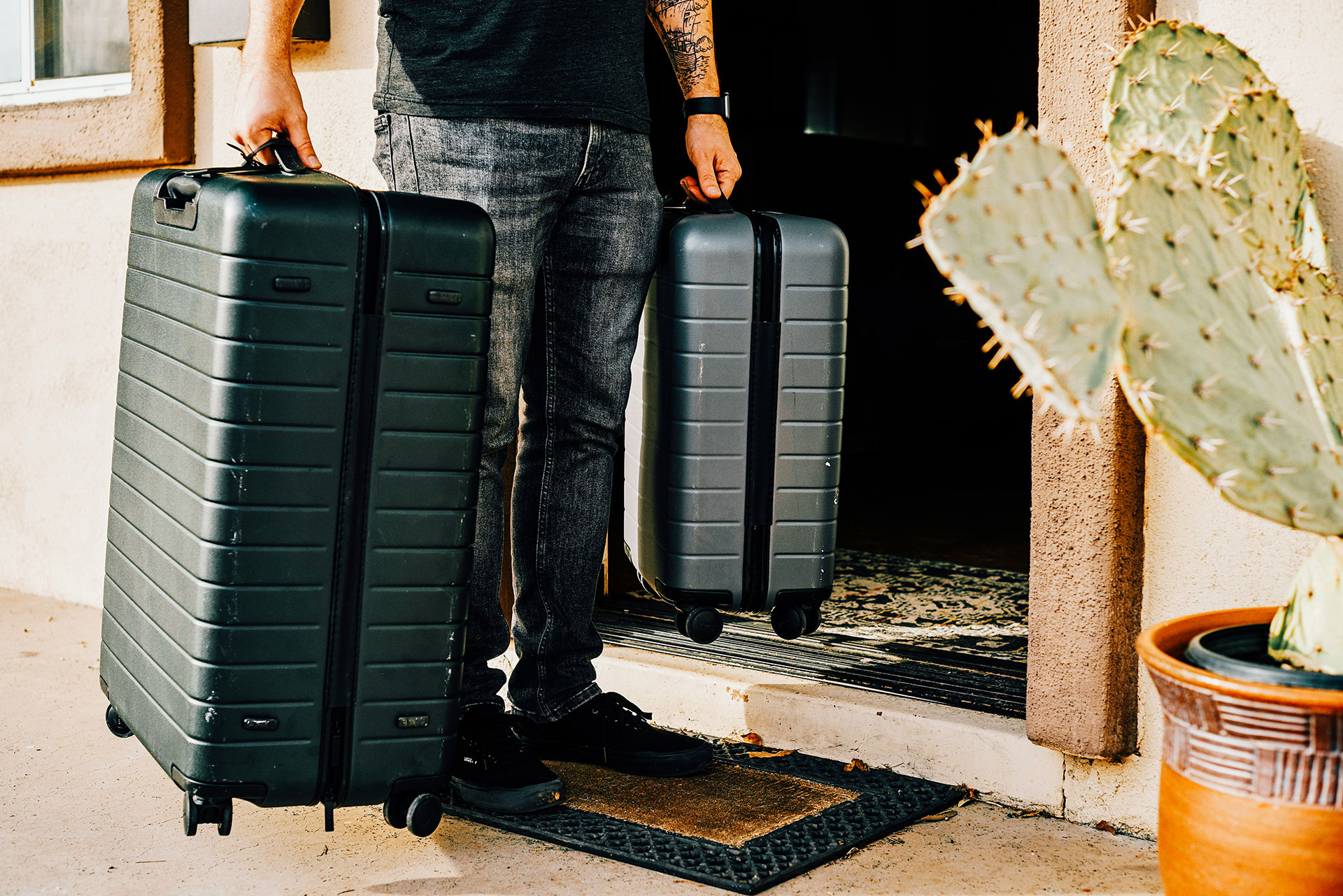
What to pack for your safari
Going on safari is like stepping into a whole different world, so it’s no wonder one of the biggest questions people have before venturing out is what to pack. From exploring the remote Namibian deserts, to the vast inland Okavango Delta or the famous Greater Kruger private game reserves, this list will point you in the right direction and take the hassle out of packing for your trip.
Safari must haves:
You want to focus as much of your energy as possible on searching for wildlife, so comfort is key when you’re on safari. Given weather can fluctuate, with cool mornings and hot afternoons, it’s important to have layers to accommodate the changing temperatures.
Being prepared for four seasons in a day is recommended. A selection of T-shirts and long-sleeved tops along with a jumper and jacket should be plenty. Accommodations have laundry services available so that you can wash and re-wear your items.
Pants or shorts (weather dependent) are likely to provide you with the most comfort whilst exploring. When you consider that you’ll be getting in and out of vehicles or even enjoying bushwalks, you may even be more comfortable in active wear.
Although you’re likely to be warm throughout the day, if you participate in any early morning game drives before sunrise, or any evening game drives after the sun has set, it can be chilly. Most safari vehicles will be stocked with blankets and umbrellas to ensure your comfort in any weather, but you’ll thank yourself for also packing a beanie, gloves, scarf and fleece jumper.
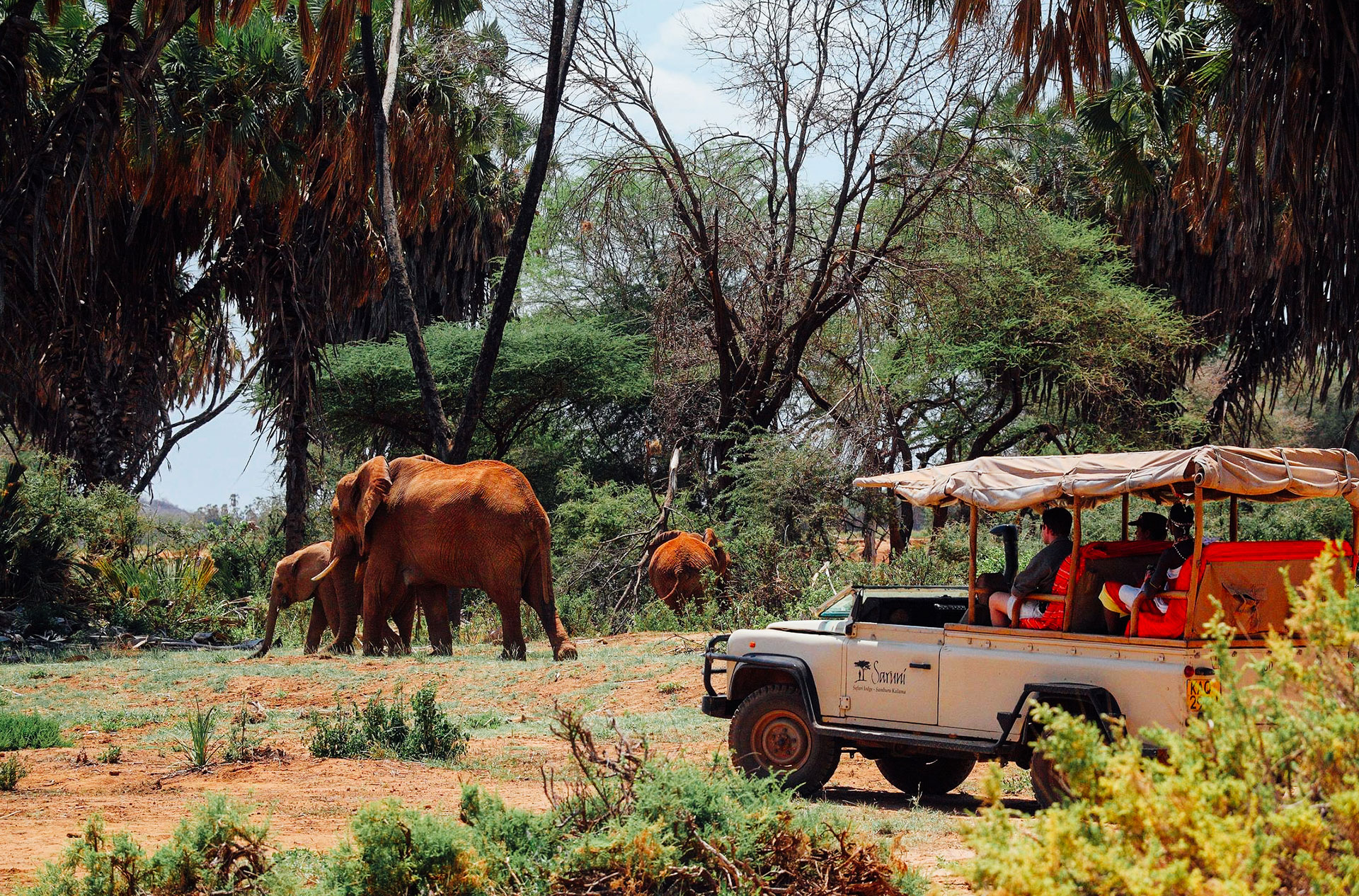
It’s recommended that you wear neutral, earthy colours. These colours will not only help you to blend into the surrounding environment, but they are also less likely to attract bugs and will keep you cooler when the sun is out. Plus who doesn’t want to feel like an explorer from a nature documentary while searching the savanna for Africa’s incredible wildlife?
Most lodges will provide you with bug spray and sunscreen when you’re out on safari, but it’s important that you bring personal toiletries (including lip balm) or medications with you along with a sun hat. We recommend seeing your doctor before departure to discuss malaria, as many regions recommend the use of anti-malarial tablets for the duration of your stay.
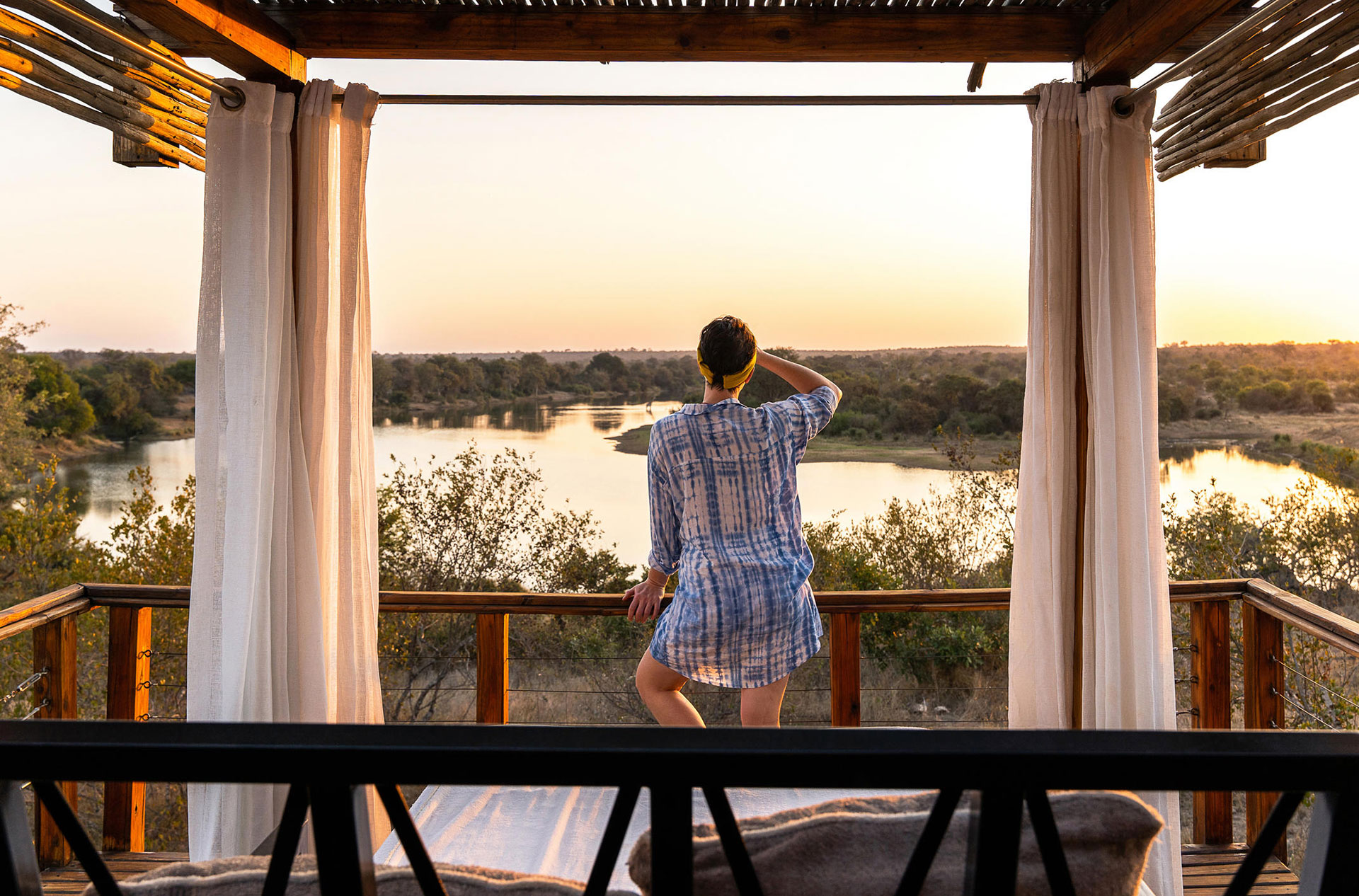
If you have space remaining in your luggage, you could bring a dress or nice shirt for dinners during your stay, however this isn’t essential. Most lodges don’t have dress codes for evenings but be sure to check their website for advice just in case. If your lodge has a pool, we suggest bringing a swimsuit to make the most of your stay.
In terms of tech, a good camera is perfect, although your smartphone can take incredible shots too! There are many tutorials online for how to capture the best wildlife photography on your phone. Don’t forget a universal travel adapter to ensure you’re covered for all possible outlet variants.
Last, but certainly not least… comfortable shoes! You can leave your high heels at home; they won’t be needed. Be sure to bring comfortable closed-toed walking shoes, as you’re likely to wear them most of the time. One pair of sandals could also be a good idea if you’re travelling during the warmer seasons or to wear around the camp.
Our top six essentials:
- Camera or smartphone
- Comfortable shoes
- Hat (both a sun hat and a beanie) and sunglasses
- Layers appropriate for changing weather
- Lip balm and sunscreen
- Charging cables for your phone/camera
What should I avoid packing?
Single use plastics are banned in several African countries, it’s best to opt for reusable items where possible.
The flying of drones is also illegal within most national parks, meaning you would require a permit/license for photography purposes using a drone. This regulation is in place to protect wildlife.
Please don’t pack any camo (camouflage) printed clothing to avoid any confusion or misinterpretation of the military.
It’s important to keep in mind that strong smells may cause hesitancy in some animals. Using your regular deodorant will be appropriate, however, we suggest avoiding very strong perfumes. The same applies for vapes and cigarettes.
Do I need to pack differently if I am Gorilla Trekking?
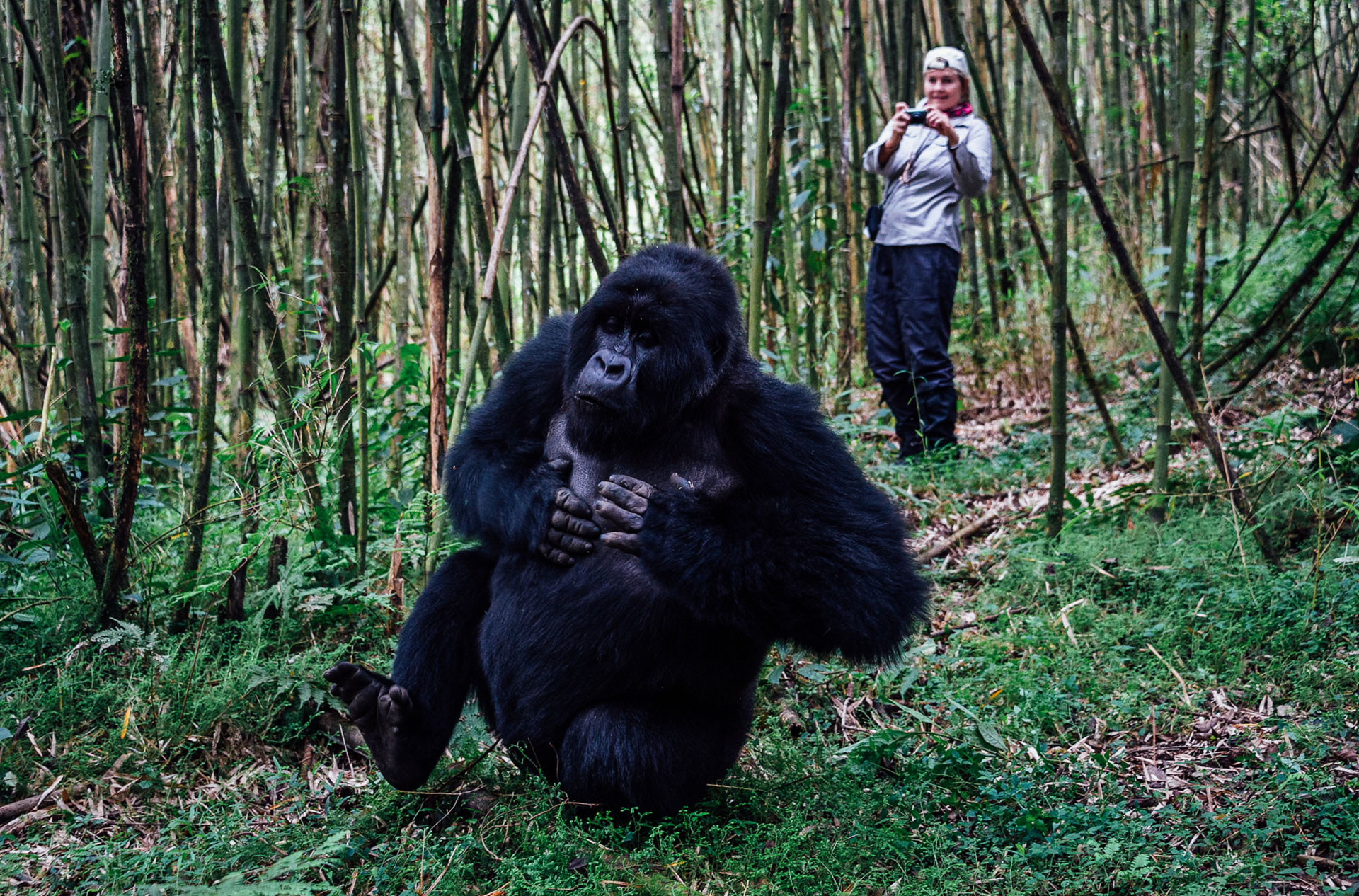
Yes, Gorilla Trekking is a once-in-a-lifetime experience, but very different to a regular safari. In some cases, you could be trekking for up to 9 hours in unpredictable weather, off-trail through a dense forest (wherever your gorilla family chooses to be that day!). It’s important to pack waterproof layers to protect you. These layers include hiking boots and thick water wicking socks, long pants and long sleeve shirts along with gaiters to keep any dirt or rain out of your boots. A buff to protect your neck and face and a waterproof jacket are also recommended to complete your outfit.
Gorilla Trekking tends to require more gear due to the conditions you’ll be trekking in. Hiking poles will be very helpful in this terrain, and many trekkers find wearing gardening gloves to be helpful for hand protection as you may need to grab onto rough trees or branches for support as you navigate through the forest vegetation.
A wide brimmed hat, sunscreen and a strong insect repellent (DEET based is usually recommended) are also key when Gorilla Trekking. Mosquitoes are very prominent in this part of the world. Guides will carry first aid kits; however, we do also encourage you to bring a small kit of your own – including a small tick remover tool is always a good idea too.
If there’s anything you take away from this advice, please let it be that comfort is key! Africa is all about wildlife spotting, taking in the nature surrounding you and learning all about local culture, history and customs. This suggested packing list will help to enhance your experience and maximise your comfort.
When you book with Forth & Wonder, we provide a comprehensive packing list to make your preparation run smoothly.
Start your journey
If you’d like to learn more about luxury safaris in Africa, one of our Travel Designers can help you. Get in contact today.
e: curious@forthandwonder.com.au
p: +61 3 9045 9819
